Blog-The Best Euro-Backed Stablecoins for UK & European Businesses in 20261376
Stablecoin

The Best Euro-Backed Stablecoins for UK in 2026

James Carter
Business Finance Writer

Discover the top euro-backed stablecoins (EURC, EURS, etc.) for cross-border B2B payments. Learn how UK & EU businesses avoid USD conversion fees and settle instantly.

2026.06.05 07:22:42 · 5minute(s)
For years, the global digital asset ecosystem has been overwhelmingly dominated by a single fiat currency: the US dollar. Whether through USDT or USDC, the dollar has served as the default medium of exchange, unit of account, and store of value across blockchain networks worldwide. However, for businesses operating within the United Kingdom and the European continent, this dollar-centric infrastructure has long introduced an invisible financial burden—a systemic friction that erodes profit margins and complicates corporate treasury management.
 
As cross-border B2B commerce accelerates and blockchain technology transitions from speculative trading to institutional utility, a major paradigm shift is underway. Forward-thinking financial officers and corporate treasurers are increasingly looking toward a euro-backed stablecoin architecture to streamline their regional and global operations. Supported by groundbreaking regulatory frameworks in Europe and a growing demand for localized liquidity, euro-denominated digital assets are no longer a niche financial experiment. They have become a critical strategic tool for corporate efficiency.
 
This comprehensive guide explores the structural forces driving the adoption of euro-backed stablecoins, evaluates the leading tokens available for corporate use in 2026, and provides a practical blueprint for integrating these next-generation assets into your UK or European business infrastructure.

Why UK & EU Companies are Shifting to Euro-Backed Stablecoins

To understand why a European or British enterprise would choose a euro-backed stablecoin over its deep-seated dollar counterparts, one must look at the structural inefficiencies embedded within traditional banking networks and international trade corridors.

Eliminating the GBP-USD-EUR Conversion Trap

The most immediate financial benefit of adopting euro-denominated stablecoins is the elimination of what corporate treasurers call the "double-conversion tax." Consider a typical B2B transaction: a manufacturing or digital services company based in London needs to settle an invoice with a key supplier in Germany or France.
 
If this company utilizes standard dollar-backed stablecoins (such as USDC or USDT) to execute a fast, blockchain-based settlement, the capital journey looks like this:
  1. The UK business converts British Pounds (GBP) from its corporate bank account into US Dollars (USD) or a dollar stablecoin, incurring an initial foreign exchange (FX) markup.
  2. The dollar stablecoin is transferred instantly across the blockchain to the European supplier.
  3. Upon receipt, the European supplier must convert those US dollars into Euros (EUR) to pay local taxes, payroll, and operating costs, incurring a second FX markup.
This multi-tiered conversion process can easily drain 1.5% to 3% of the total transaction value through bank spreads and exchange fees. By introducing a native euro-backed stablecoin into the equation, the transaction becomes linear and direct. Capital moves seamlessly from a European corporate treasury or a multi-currency account into a digital Euro asset, flows instantly to the counterparty, and is settled directly in Euros without ever touching the US dollar.

Regulatory Clarity Under MiCA and Institutional Trust

Historically, corporate legal and compliance teams have hesitated to hold or transact in stablecoins due to a fragmented and unpredictable global regulatory landscape. In the UK and Europe, that hesitation has been decisively replaced by institutional confidence, thanks to the comprehensive implementation of the European Union’s Markets in Crypto-Assets (MiCA) regulation.
 
MiCA has established the world’s first unified, legally binding framework for digital asset issuers. For euro-backed stablecoins to operate legally within the European Economic Area (EEA), issuers must meet exceptionally stringent requirements, including:
  • 1:1 Full Reserve Backing: Issuers must maintain high-quality, low-risk liquid reserves (such as bank deposits and short-term government bonds) managed by independent, regulated custodians.
  • Bankruptcy Remoteness: Corporate funds of the issuer must be legally segregated from user reserve assets, ensuring that even if the issuer faces financial distress, user funds remain entirely protected and redeemable.
  • Continuous Auditing: Mandatory third-party verifications and public disclosure reports guarantee total transparency regarding reserve health.
This regulatory safety net removes the counterparty risks that plagued earlier eras of the crypto market. It elevates qualified euro stablecoins to an asset class that corporate legal departments can confidently approve for balance-sheet inclusion.

Instant 24/7/365 B2B Settlement

While the traditional European banking system has made progress with SEPA Instant Transfers, significant limitations remain. Standard SEPA networks frequently enforce transaction limits that are too low for large-scale corporate B2B invoices, and cross-border settlement between non-euro zones (like the UK) and the eurozone still encounters banking bottlenecks, weekend pauses, and public holiday delays.
 
Euro-backed stablecoins bypass the traditional banking ledger entirely. Transactions execute on public or private blockchain infrastructure, settling completely within seconds to minutes, regardless of the amount, time of day, or geographic border. This unlocks unprecedented liquidity velocity, allowing companies to optimize working capital, negotiate better terms with suppliers through instant payments, and automate supply chains via smart contracts.

Top Euro-Backed Stablecoins to Watch in 2026

The market for euro-denominated digital assets has matured significantly, offering several robust, high-liquidity options tailored for corporate enterprise use. The table below provides a high-level comparison of the leading euro stablecoins before we dive into their individual characteristics.
Stablecoin Token
Primary Issuer
Blockchain Availability
Target Use Case
Compliance Standard
EURC
Circle Internet Financial
Ethereum, Avalanche, Base, Solana
High-volume corporate B2B & DeFi
Fully MiCA Compliant
EURS
STASIS
Ethereum, Polygon, Algorand
Enterprise treasury & institutional custody
Verifiable European Audits
EURT
Tether Limited
Ethereum, Tron
High-liquidity settlement & crypto ecosystems
International Reserve Standard
AEUR
Anchored Coins
Ethereum, BNB Chain
Compliance-first regional settlement
Swiss-Regulated Issuer

1. EURC (by Circle)

Issued by Circle—the financial technology firm behind the multi-billion dollar USDC—EURC has rapidly ascended to become the premier enterprise-grade euro-backed stablecoin. Built on the same rigorous compliance and engineering standards as USDC, EURC is designed specifically to meet the strict demands of global corporate finance.
  • Core Advantages: EURC is issued by a regulated electronic money institution in Europe, making it fully compliant with MiCA frameworks. Its reserve assets are held entirely in segregated accounts at leading European G-SIBs (Global Systemically Important Banks) and backed by short-term European government debt.
  • Corporate Suitability: Because of its deep integration across major public blockchains like Ethereum, Avalanche, and Solana, EURC offers unparalleled multi-chain flexibility. This allows corporate IT infrastructure to connect with a wide variety of software applications and decentralized networks, making it the top choice for businesses requiring high liquidity, widespread platform support, and absolute regulatory security.

2. STASIS EURO (EURS)

STASIS EURO (EURS) stands as one of the longest-running and most resilient euro-backed stablecoins in existence. Developed with an explicit focus on institutional asset management and enterprise treasury infrastructure, EURS bridges the gap between traditional European finance and decentralized ledgers.
  • Core Advantages: The primary differentiator for EURS is its transparent, multi-layered auditing structure. STASIS provides daily reserve statements alongside weekly verifications and detailed monthly audits conducted by top-tier international accounting firms.
  • Corporate Suitability: EURS possesses deep, time-tested liquidity within the European digital asset ecosystem. It is highly optimized for organizations that prioritize continuous asset transparency and require a stable, legally robust instrument for long-term corporate savings or recurring B2B vendor payments.

3. EURT (Tether Euro)

Issued by Tether Limited, the pioneer of the stablecoin industry, EURT leverages the massive infrastructure, network effects, and exchange integrations of its sister token, USDT.
  • Core Advantages: EURT benefit from Tether's extensive distribution channels and global exchange presence. It offers substantial liquidity across diverse trading pairs, making it highly accessible within international digital asset markets.
  • Corporate Suitability: While historically favored by crypto-native enterprises and trading desks, EURT remains a viable asset for businesses operating within high-throughput digital ecosystems. If your suppliers or partners already utilize Tether’s infrastructure for their global supply chains, EURT provides a frictionless path to transition into euro-denominated settlements.

4. AEUR (Anchored Coins)

Anchored Coins’ AEUR represents a compliance-first approach originating from Switzerland, one of the world’s premier banking hubs.
  • Core Advantages: AEUR is issued by an entity operating under the strict oversight of Swiss regulatory standards, backed 1:1 by cash deposits in fully licensed Swiss banks.
  • Corporate Suitability: For UK and European companies that demand a distinct separation from traditional crypto-exchange models, AEUR provides an institutional-grade, risk-mitigated option tailored for structured financial instruments and regional corporate settlements.

Key Considerations Before Integrating Euro Stablecoins into Corporate Treasury

While the strategic benefits of euro-backed stablecoins are undeniable, successful integration into your corporate treasury requires a structured evaluation of technical and operational factors.
  1. Liquidity and Market Slippage: Before adopting a specific token for large corporate payouts, analyze the market depth across your preferred blockchain networks. Ensure that your transaction volumes can move without causing price slippage.
  2. Network Fees (Gas Costs): The underlying blockchain matters. Transacting on the Ethereum mainnet ensures maximum security but can incur high gas fees during periods of network congestion. For frequent, mid-sized B2B transactions, utilizing speed-optimized networks like Avalanche, Base, or Solana can reduce transaction costs to pennies.
  3. The On-Ramp and Off-Ramp Infrastructure: A stablecoin is only as useful as the bridge connecting it back to the real-world economy. Your business must partner with a regulated payment platform that can seamlessly convert traditional fiat currency (like GBP or EUR) into your chosen euro stablecoin, and vice versa, without high friction, long clearing cycles, or unexpected fees.

Bonus Tip: Seamlessly Bridge Euro Stablecoins and Fiat with PhotonPay

Identifying the right euro-backed stablecoin is only the first part of a modern payment strategy. The critical challenge for UK and European enterprises lies in integrating these digital tokens into daily financial operations without disrupting existing accounting software, tax reporting, or compliance pipelines.
 
This is where PhotonPay delivers a powerful, next-generation solution. PhotonPay functions as a comprehensive, borderless payment operating system designed specifically to bridge traditional corporate banking with native stablecoin infrastructure.
 
Operated under strict regulatory oversight, PHOTON DANCE FINTECH UK Limited is an Authorised Payment Institution regulated by the UK Financial Conduct Authority (FCA) under FRN 801082. Crypto and stablecoin services are delivered seamlessly via licensed affiliates, ensuring that your enterprise remains fully compliant with evolving global regulations.
 
By leveraging PhotonPay’s localized UK and European infrastructure, your business can unlock the full power of euro stablecoins through a single, unified platform:
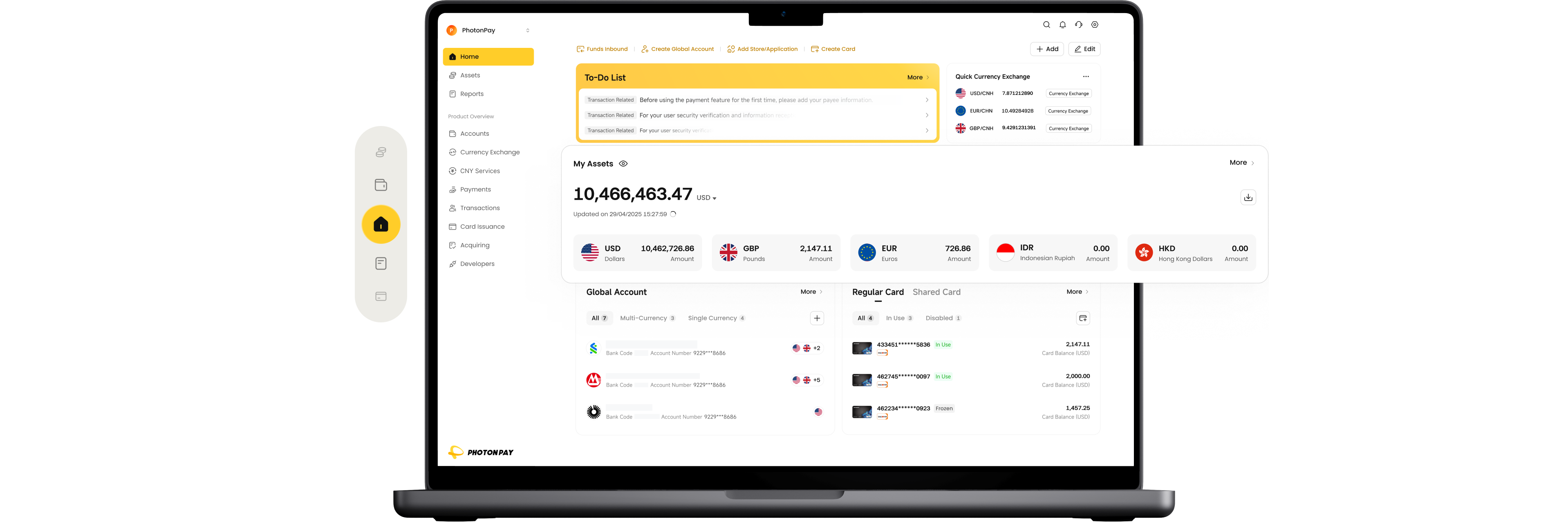
  • Unified Multi-Currency Business Wallet: Manage your traditional fiat currencies (GBP, EUR, USD) alongside your digital assets within one professional, centralized dashboard. This eliminates the operational risk of managing fragmented crypto wallets and corporate bank accounts across separate, uncoordinated platforms.
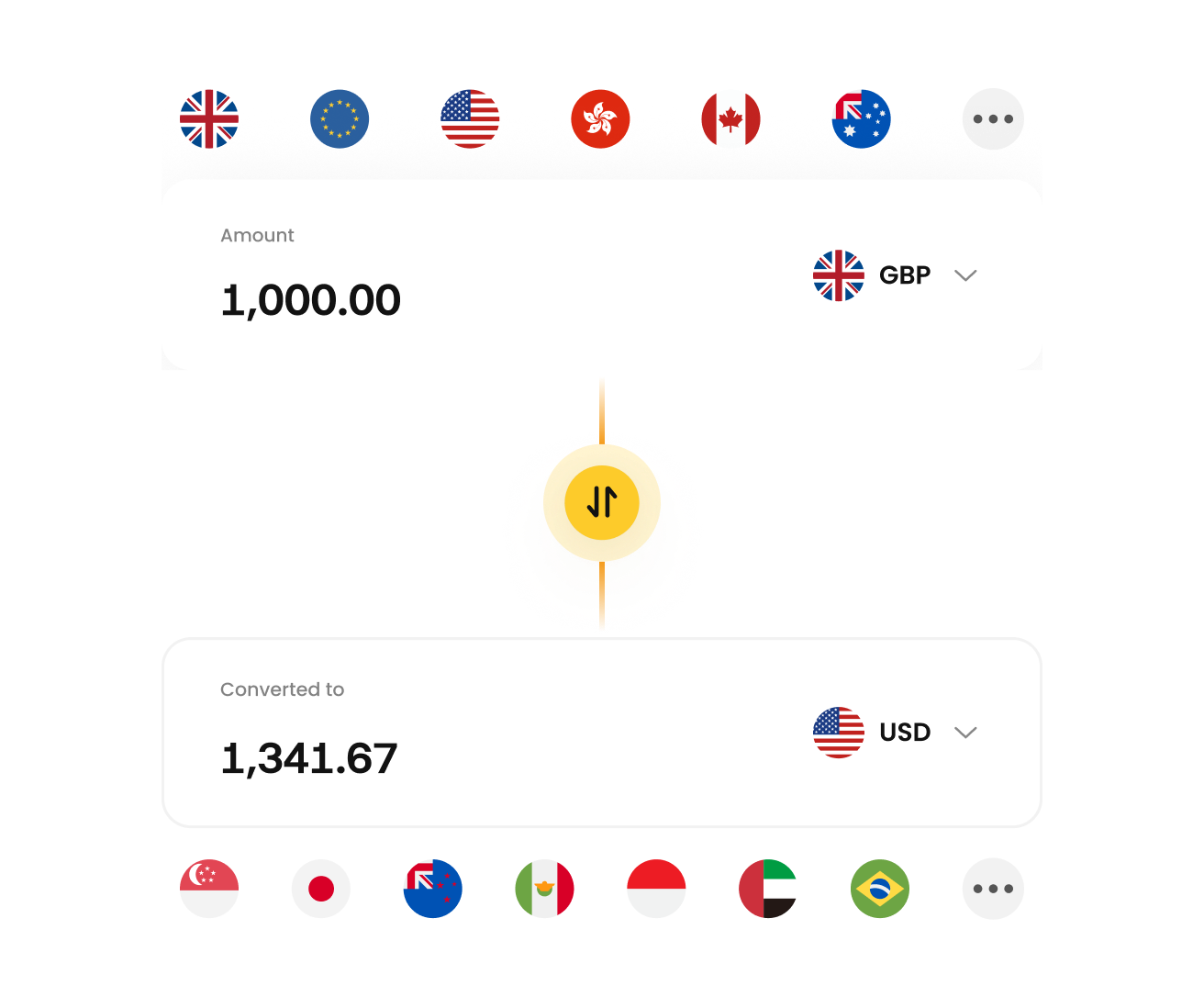
  • Instant 24/7 Zero-Slippage Conversion: Swap seamlessly between euro-backed stablecoins and fiat GBP or EUR at transparent, competitive rates. PhotonPay eliminates the risk of market slippage and exchange-rate surprises, allowing your finance team to execute conversions 24 hours a day, 7 days a week—on your schedule, not the bank’s.
  • Dual-Rail Global Payouts (Movement): Modernize your supplier settlement network. With PhotonPay’s dual-rail architecture, you can execute instant stablecoin payouts directly across blockchain networks, or choose to automatically off-ramp stablecoins into local fiat corridors, delivering funds directly into your vendor’s traditional bank accounts across more than 200 countries and regions.
  • Instant Corporate Card Issuance: Instantly issue virtual or physical corporate cards backed by your fiat or stablecoin reserves. This empowers your team to spend stablecoin balances directly on commercial expenses, digital advertising campaigns, or vendor SaaS subscriptions worldwide, wherever major card networks are accepted.

Power Your Global Growth with PhotonPay