The financial operations of UK businesses are undergoing a massive transformation. As companies expand their digital footprints, hire remote talent, and engage in cross-border trade, the limitations of traditional high-street banking are becoming glaringly obvious. For growing enterprises, relying on a handful of physical corporate credit cards passed around the office—or shared via unsecure messaging apps—is no longer a viable strategy.
Virtual cards have rapidly evolved from a niche financial tool into the foundational infrastructure of modern treasury and expense management. By offering instantaneous issuance, granular spending controls, and seamless integration into accounting software, virtual cards empower finance teams to move from reactive bookkeeping to proactive financial strategy.
However, the UK fintech market is heavily saturated. Searching for the "best" virtual card requires looking beyond flashy marketing to understand the underlying infrastructure, global acceptance, and specific features tailored to your business model. Whether you are scaling a global e-commerce brand, managing complex SaaS subscriptions, or looking for an API-driven issuing solution, this comprehensive guide evaluates the best virtual cards in the UK to help you optimize your financial stack.
The Core Payment Challenges for UK Businesses
Before diving into the top solutions, it is crucial to understand the specific pain points driving UK businesses away from traditional corporate cards. Financial controllers and CFOs consistently cite the following operational bottlenecks:
1. The "FX Trap" and Hidden Markups
UK businesses operating internationally frequently pay for inventory in USD or EUR, fund global advertising campaigns, or subscribe to US-based SaaS platforms. Traditional banks typically apply a hidden exchange rate markup alongside a foreign transaction fee (often ranging from 2% to 3%). Over a fiscal year, these opaque charges silently erode profit margins and distort accurate budget forecasting.
2. Operational Bottlenecks in Reconciliation
Manual expense management is one of the most significant drains on productivity for any finance team. The legacy process of employees paying out of pocket, collecting physical receipts, and finance teams manually matching these transactions to monthly bank statements is slow, error-prone, and delays the month-end close. Finance teams lack real-time visibility into committed capital versus settled capital.
3. Lack of Granular Spending Controls
A standard physical corporate card typically only has a single credit limit. If it is shared across departments, it is nearly impossible to prevent "subscription creep" (paying for duplicate or unused software) or unauthorized spending. Furthermore, if the card details are compromised on a single merchant website, the physical card must be canceled, disrupting all other critical recurring payments tied to it.
4. Limited Infrastructure for New Asset Classes
As the digital economy matures, modern businesses—particularly those in the tech, Web3, and global trade sectors—often hold capital in a mix of fiat currencies and digital assets (such as stablecoins). Traditional banks provide zero infrastructure to bridge these digital assets seamlessly into everyday fiat business spending.
What to Look for in a Top-Tier UK Corporate Virtual Card
Not all virtual card providers offer the same capabilities. To future-proof your financial operations, evaluate potential solutions against these crucial criteria:
-
Instantaneous and Flexible Issuance: The platform should allow administrators to generate active virtual cards in seconds. It should also support the creation of single-use cards (for one-off vendor payments) and multi-use recurring cards (for ongoing subscriptions).
-
Robust Spending Controls: Look for platforms that allow you to program the card's behavior. Can you set hard limits by day, week, or month? Can you restrict the card's usage to specific merchant category codes (MCCs), ensuring a travel card cannot be used for retail shopping?
-
API and Programmability: For enterprise and tech-forward businesses, an API-first approach is essential. The ability to automatically issue cards and manage limits programmatically via API enables companies to build custom financial workflows or launch their own card programs.
-
Global Acceptance and Wallet Integration: The best virtual cards run on major global networks (Visa or Mastercard) and can be instantly provisioned to digital wallets like Apple Pay and Google Pay for immediate contactless spending.
-
Transparent Pricing: A competitive solution must offer transparent, institutional-grade foreign exchange rates without hidden spread markups.
Top Virtual Cards in the UK: Our Picks for 2026
Based on a rigorous evaluation of the market, here is a breakdown of the leading virtual card providers available to UK businesses, categorized by their primary strengths.
1. PhotonPay (Best for Global Enterprise, API Issuance & Borderless Spend)
For UK businesses that require highly scalable financial infrastructure,
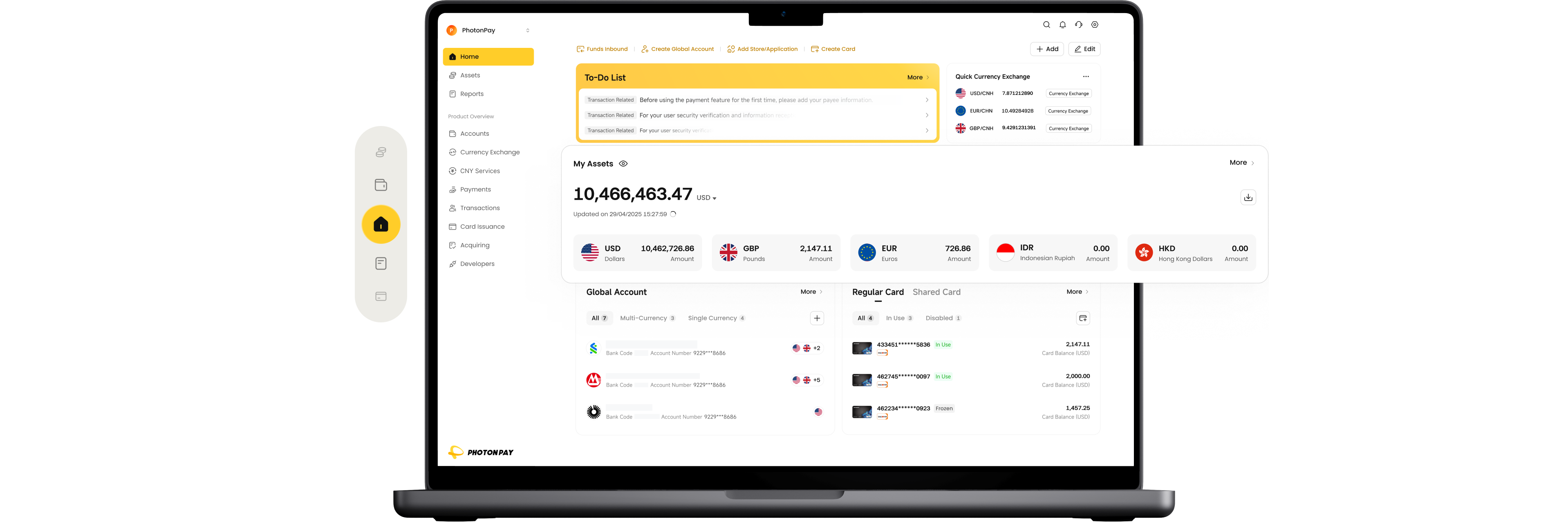
PhotonPay stands out as a next-generation card issuance platform. Unlike consumer-focused fintechs, PhotonPay is engineered for enterprises, digital-first companies, and platforms that require deep control over their corporate spending and cross-border payments.
PhotonPay addresses the complex needs of modern global businesses by offering a highly flexible, API-driven issuing environment.
Key Features & Capabilities:
-
Instant Issuance & On-Demand Configuration: PhotonPay allows businesses to issue virtual cards (and physical cards) in seconds. These cards are highly configurable, allowing finance teams to define precise rules for how, when, and where funds can be deployed.
-
Programmable Spending Controls: To combat unauthorized expenses and fraud, PhotonPay provides dynamic limit settings. Administrators can apply spend limits at the team, individual, or subsidiary level, and restrict transactions to specific geographic locations, timeframes, or merchant categories.
-
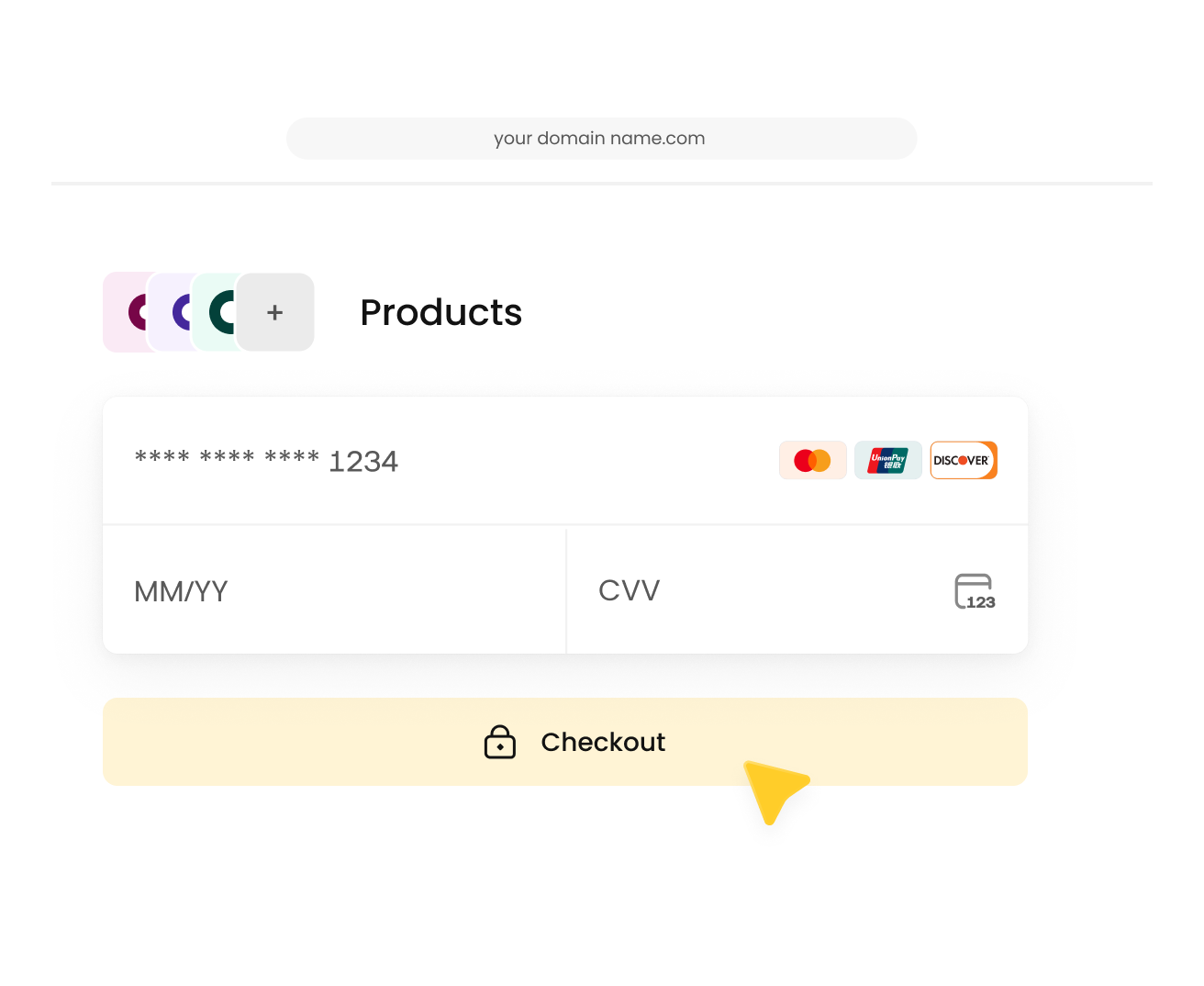
Global Acceptance with Mobile Wallets: Issued on top-tier global payment networks, PhotonPay virtual cards are accepted by millions of merchants worldwide. Crucially, they support instant provisioning to Apple Pay and Google Pay, bridging the gap between virtual infrastructure and tap-to-pay convenience for employees on the ground.
-
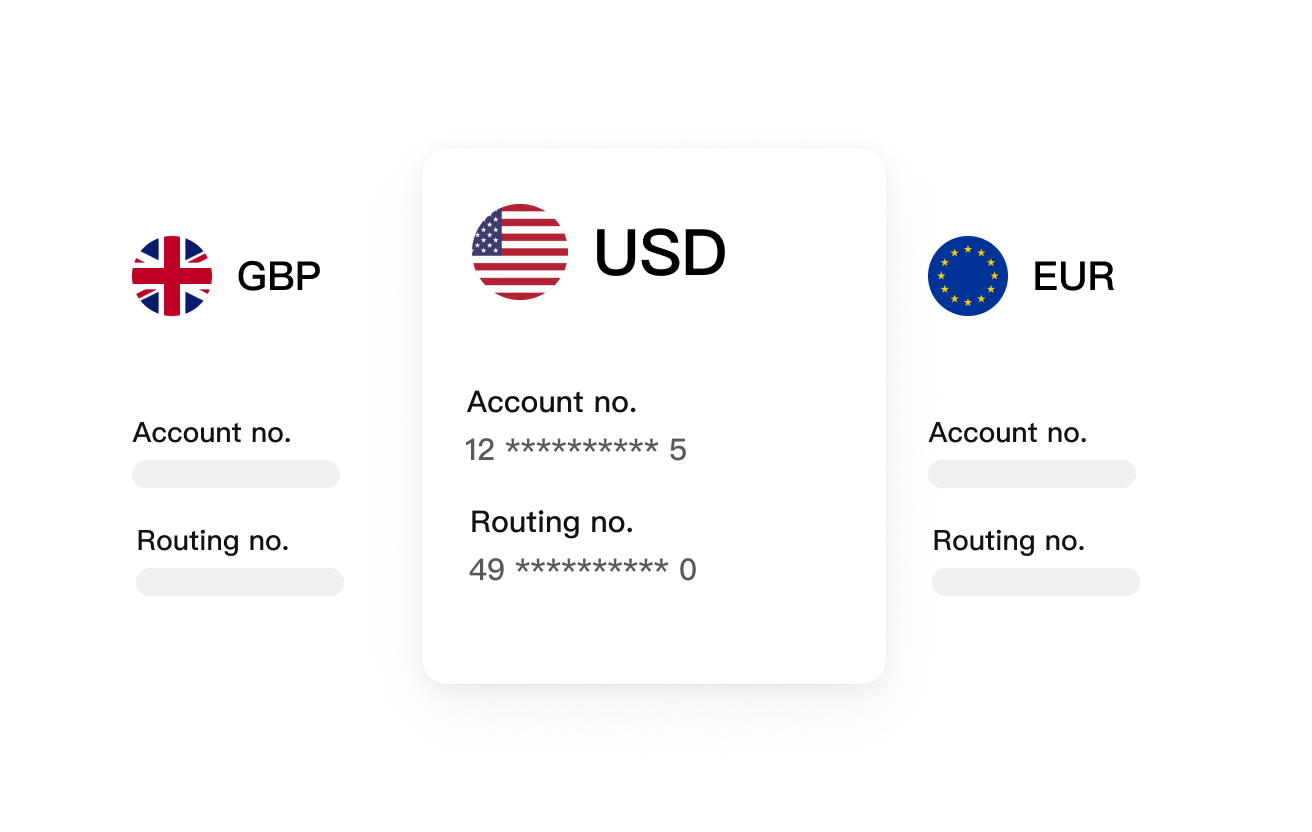
Transparent FX & Seamless Top-Ups: PhotonPay eliminates the opaque fee structures of traditional banking. Businesses can fund their card accounts globally and benefit from transparent, highly competitive foreign exchange rates with no hidden markups, drastically reducing the cost of international procurement and software subscriptions.
-
API-Driven Scalability & White-Label Solutions: For platforms, marketplaces, or large enterprises looking to embed financial services, PhotonPay offers robust API capabilities. Businesses can programmatically issue cards, manage limits, and reconcile data directly within their existing ERPs or bespoke software. Furthermore, PhotonPay provides white-label issuing solutions, allowing companies to launch custom-branded card programs for their own users.
-
Institutional-Grade Security: Every card benefits from advanced fraud monitoring and mandatory 3D Secure (3DS) authentication, ensuring that high-value corporate transactions are protected against unauthorized use.

2. Wise Business (Best for Multi-Currency SMEs)
Wise Business has built a strong reputation in the UK market primarily around its core competency: cheap and transparent foreign exchange. For small to medium-sized enterprises (SMEs) that frequently pay overseas suppliers, Wise offers a solid virtual card product tied to its multi-currency account.
Key Features:
-
Multi-Currency Balances: You can hold and spend from balances in over 40 currencies, allowing you to pay international invoices like a local.
-
Low FX Fees: Wise uses the mid-market exchange rate and charges a small, transparent upfront fee, making it ideal for standard cross-border spending.
-
Expense Management Integrations: It integrates well with popular accounting software like Xero and QuickBooks.
Considerations: While excellent for basic multi-currency spending, Wise Business is generally geared towards smaller enterprises and lacks the deep API programmability and white-label issuance infrastructure required by larger platforms or tech-heavy enterprises.
3. Pleo (Best for Local Employee Expenses and Receipt Capture)
Pleo is a highly popular solution in the UK specifically designed to tackle employee expense management and receipt chasing. If your primary pain point is employees losing paper receipts for client lunches or train tickets, Pleo offers a streamlined workflow.
Key Features:
-
Automated Receipt Chasing: When an employee makes a purchase with a Pleo virtual or physical card, they receive an instant notification on their phone prompting them to snap a picture of the receipt.
-
Smart Categorization: Pleo automatically categorizes expenses and pushes the data into your accounting software, saving hours of manual data entry.
-
Per-Employee Limits: Finance teams can easily set individual spending limits for each team member.
Considerations: Pleo excels at internal employee expense management but is less focused on complex, high-volume B2B vendor payments, global API issuance, or multi-asset corporate treasury needs.
The Strategic Benefits of Adopting the Right Virtual Card
Deploying a robust virtual card infrastructure like PhotonPay transforms the finance department from a reactive administrative function into a proactive driver of business efficiency.
1. Eliminating Subscription Waste:
By creating a dedicated virtual card for every SaaS vendor (e.g., one card for AWS, one for Salesforce), you create isolated payment streams. If you want to cancel a service, you simply freeze that specific card. This instantly stops "zombie subscriptions" from draining company funds.
2. Drastically Reducing Fraud Risk:
Because virtual cards can be generated for single-use scenarios, the risk of card data being stolen and reused is effectively mitigated. Even for multi-use cards, advanced merchant locking and 3D Secure protocols ensure that funds cannot be intercepted or misused.
3. Real-Time Financial Visibility:
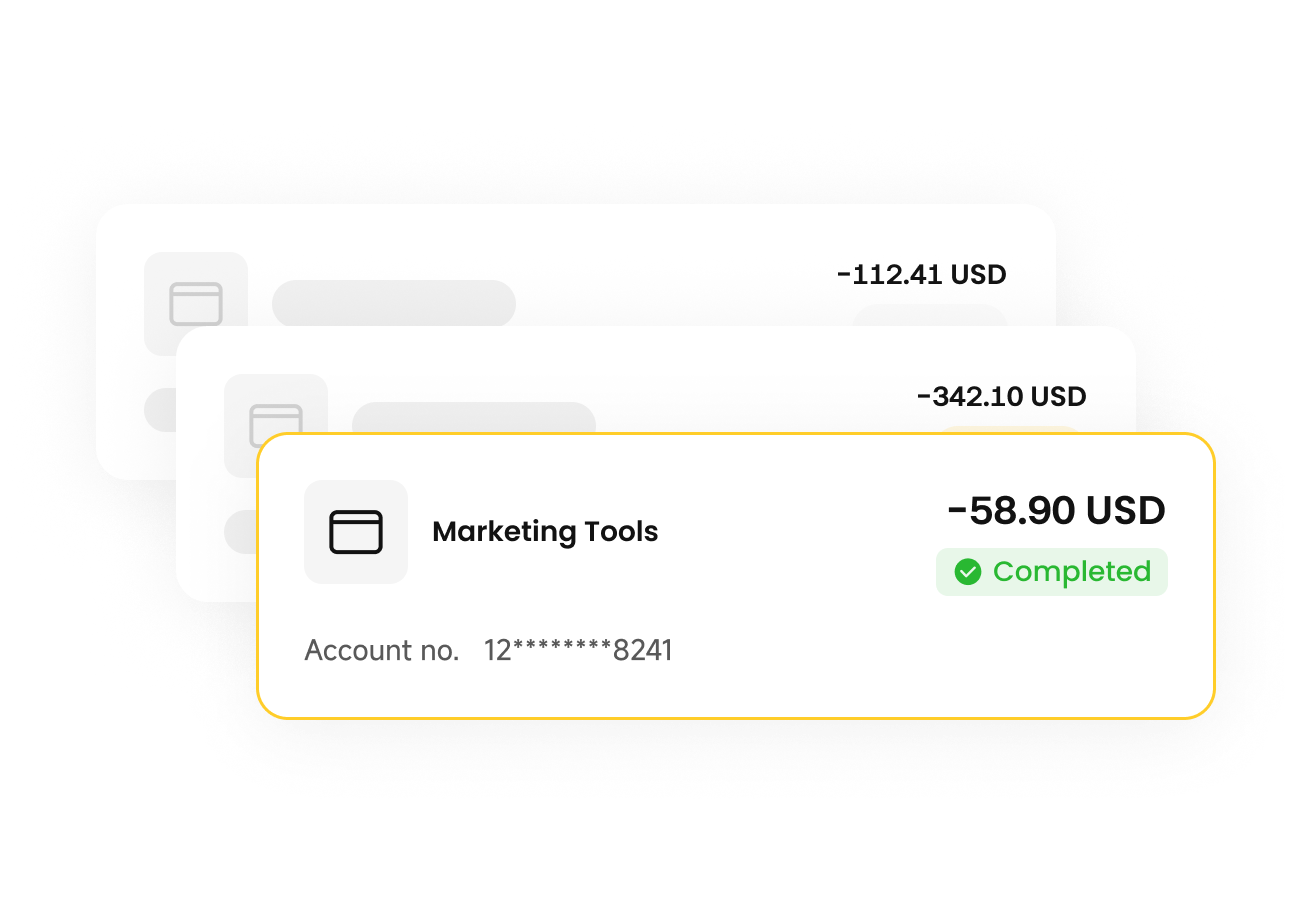
Traditional bank feeds operate on a delay. Modern virtual card platforms provide real-time dashboards where every penny of expenditure is visible the second the transaction occurs. This real-time visibility allows CFOs to monitor burn rates accurately and adjust budgets dynamically.
Conclusion: Which UK Virtual Card is Right for You?
The transition from physical corporate cards to intelligent virtual card infrastructure is no longer optional for UK businesses that want to remain competitive, secure, and efficient.
Choosing the right provider depends entirely on your company's operational scale and strategic goals. If you are a small local agency needing to track employee lunch receipts, an expense-focused tool like Pleo is highly effective. If you are a small business primarily concerned with basic overseas supplier payments, Wise Business is a reliable choice.
However, if you are a scaling enterprise, a digital-first global business, or a platform requiring deep programmatic control over your payments, you need an infrastructure-grade solution. PhotonPay provides the sophisticated API capabilities, flexible spending controls, zero-markup global transactions, and multi-asset integration necessary to power modern financial operations. By bridging the gap between robust corporate control and global spending agility, PhotonPay equips UK businesses with the tools needed to scale without friction.